
By Gavin Jones | Head of Digital, Maisona | 4 min read
In the fast-paced world of digital marketing, content and SEO are no longer separate disciplines, they’re two sides of the same coin. As we move into 2026, Australian businesses must recognise that content isn’t just about storytelling or branding; it’s the engine that powers visibility, engagement, and conversion in search.
Search engines have become smarter, users more discerning, and competition fiercer. To thrive, businesses must produce content that’s not only technically optimised but also deeply relevant, locally resonant, and strategically aligned with user intent.
Search engines now prioritise content that aligns with user intent, whether informational, transactional, or navigational. Understanding what your audience is searching for and why is the foundation of effective SEO.
Businesses must map their content to each stage of the customer journey, ensuring relevance and clarity at every touchpoint.
Gone are the days of surface-level blog posts. In 2025, Google rewards content that is comprehensive, well-researched, and genuinely helpful. Australian businesses must aim to become trusted sources of information in their niche.
Example: A real estate platform could publish a guide titled “Buying Your First Home in Melbourne: A Step-by-Step Roadmap,” covering everything from budgeting to settlement, packed with long-tail keywords and local insights.
Expertise, Authoritativeness, and Trustworthiness (E-A-T) remain central to ranking success. Businesses must demonstrate credibility through:
Example: A health brand in Australia might collaborate with certified nutritionists to produce content backed by science and tailored to local dietary trends.
Long-form written content remains a cornerstone of organic traffic. It’s ideal for targeting niche keywords, answering complex questions, and building topical authority
Australians are DIY-minded and solution-focused. Step-by-step guides cater to this behaviour and rank well for problem-solving queries.
Example: A home improvement brand in Sydney might create “How to Renovate Your Bathroom on a Budget,” complete with visuals and local supplier tips.
Video is now a dominant force in SEO. It boosts engagement, reduces bounce rates, and appears in both Google and YouTube results.
Infographics simplify complex data and are highly shareable. They’re ideal for earning backlinks and increasing time-on-page.
Example: A digital agency might design “2025 SEO Trends for Australian Businesses,” turning dense insights into digestible visuals.
Keyword research must go beyond volume. Focus on:
Example: A café in Jamisontown might target “best coffee near Nepean River” or “gluten-free breakfast options in south Penrith.”
Guide users through your site with contextual links. This improves navigation, boosts engagement, and helps search engines understand your site’s architecture.
Enhance your content with images, videos, charts, and interactive elements. Optimise each asset with alt-text, captions, and structured data.
With mobile-first indexing now standard, your content must be responsive, fast loading, and easy to navigate on any device.
Example: An e-commerce store should ensure product pages, checkout flows, and blog content are seamless on mobile, from image scaling to tap friendly buttons.
Search engines increasingly favour content tailored to individual users. Personalisation can be based on:
Example: A clothing retailer might display different homepage banners for users in Brisbane vs. Sydney, based on seasonal trends and browsing history.
AI tools can assist with:
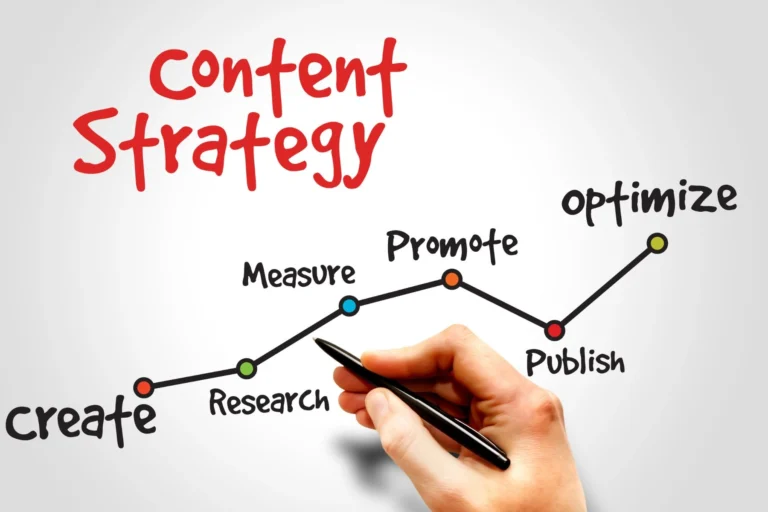
The future of SEO is content first, user focused, and powered by intelligent technology. To stay competitive, Australian businesses must:
Whether you’re a local tradie or a national brand, your content is your digital storefront, and SEO is the map that leads customers to it.
Would you like help crafting a content strategy that’s tailored to your industry, audience, and location? We can help you build a roadmap that turns your content into a traffic magnet. Uncover the tools and tactics powering Australia’s top digital brands, only at Maisona.