
Is SEO Dead? Here’s What’s Happening in 2026
By Gavin Jones | Head of Digital, Maisona | 3 min read
If you’re one of the people that have typed ‘is SEO dead’ into Google recently, you’re not alone. It’s one of the most searched questions in digital marketing right now and honestly, we get why people are asking.
AI is answering questions directly in search results and traffic patterns are shifting. The rules feel like they’ve changed overnight. So, let’s just address it head-on: No, SEO is not dead. But it has changed in ways that matter, and if your agency or in-house team hasn’t adapted, you might as well be playing a game that no longer exists
Why People Think SEO Is Dead
Google’s AI Overviews now answer many queries before a user ever clicks a link. Zero-click searches are increasing. Voice and AI-powered search assistants pull information directly, without directing users to a website.
Add to that the explosion of AI-generated content flooding search results, and it’s easy to see why some businesses are questioning whether any of this is still worth the effort.
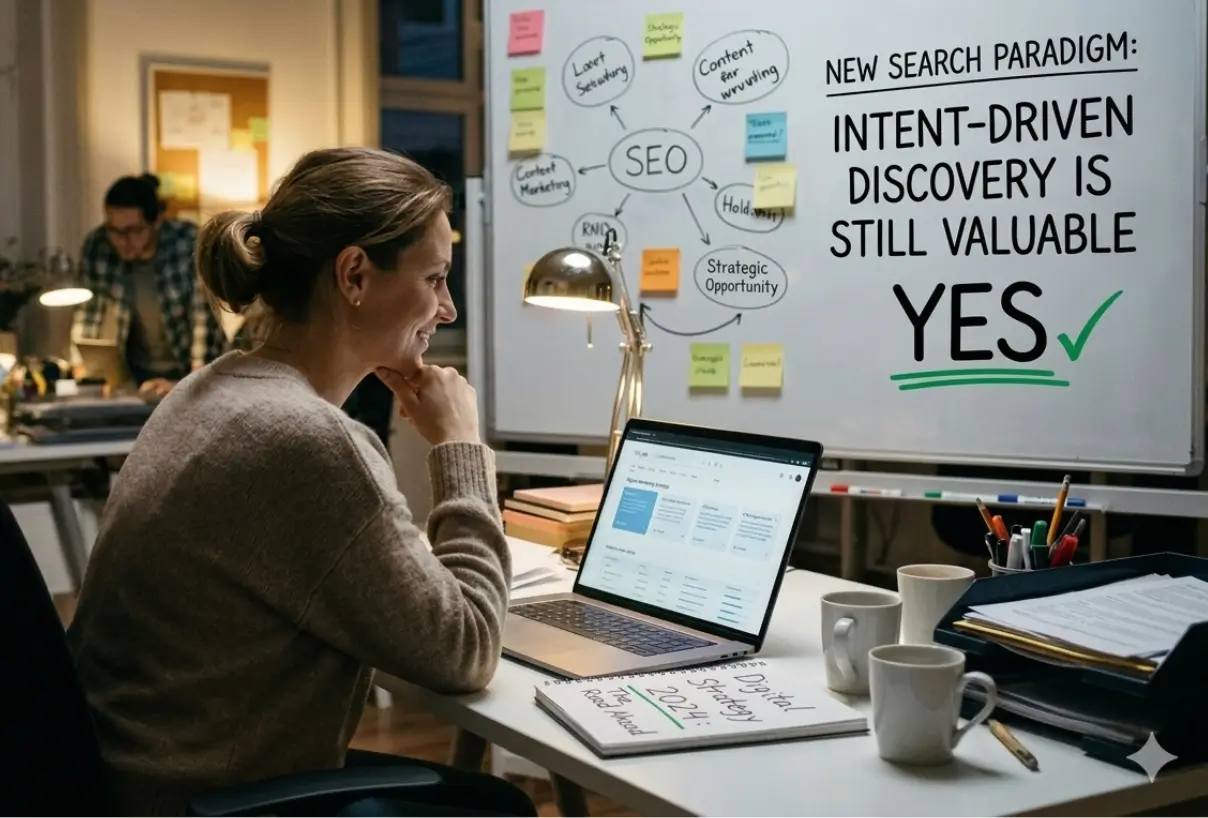
Here’s the thing though, the question isn’t whether search has changed. It has. The question is whether intent-driven discovery is still valuable. And the answer to that is a very clear yes
What's Actually Changed
The Way People Search
People are using longer, more conversational queries. They’re searching across more platforms, not just Google, but AI tools, YouTube, Reddit, and social media. The search landscape has expanded, not contracted.
What Google Rewards
Google’s algorithm has become significantly better at understanding content quality, authoritativeness, and relevance. Thin, keyword-stuffed content is being deprioritised fast. What’s being rewarded is depth, clarity, and genuine expertise.
How Clicks Are Distributed
Yes, some queries now result in fewer clicks because AI Overviews answer the question on page, but not all queries. Transactional, local, and high-consideration queries still drive significant click-through traffic and those are often the queries that matter most for your business. We have one client whose impressions declined by 36% as we reduced visibility for low-value queries, while average rankings improved by 33%. This resulted in more efficient search performance, with clicks and leads increasingly driven by higher-intent terms.
What This Means for Your SEO Strategy
The businesses feeling the most pain right now are those that built their SEO strategy around volume and surface-level optimisation. If your approach has been ‘write as many blogs as possible’ or ‘just get the keyword in the title’, the algorithm has caught up with you.
The businesses holding their ground (and growing) are those who invested in:
- Content with real depth and genuine expertise
- Topical authority across interconnected content areas
- Strong technical foundations that help search engines index and understand their site
- Structured content that AI systems can cite and reference
The Opportunity Hidden Inside the Change
What a lot of businesses are missing is the shift towards AI-driven answers creates a competitive opportunity.
Businesses are panicking or doing nothing. The ones who get ahead right now are those who adapt their content to be useful, authoritative, and well-structured – exactly the kind of content that both humans and AI systems trust.
Being cited by AI tools in their answers is the new version of ranking on page one. It’s not easy to achieve, but it’s achievable and the path to getting there is better content, not less content.

Is SEO Worth It in 2026?
Yes, especially if you’re doing it properly. If you’re running an SEO strategy that was designed three years ago, it’s time to take a hard look at whether it’s built for the search landscape that exists now. The fundamentals like quality content, technical health, genuine expertise haven’t changed. The execution and the emphasis have.
If you’re not sure where to stand, we’d love to have that conversation. We work with businesses every day who are navigating exactly this question and helping them build search strategies that are built for where things are going, not where they’ve been.