
By Gavin Jones | Head of Digital, Maisona | 5 min read
Buyers can’t inspect your work before they hire you, but a video gets them close: the scale of the project and the care your crew takes over details like site safety. That’s why short form video for B2B is worth the effort. It builds credible, memorable trust before anyone picks up the phone, because a buyer who has seen your attention to detail on a real site remembers it when the quotes come in. We make the same case for real project photos in our piece on content your competitors can’t copy.
It works best when a buyer can tell within a few seconds which job they’re looking at. Show real work, add a caption saying what it is and where it’s happening, and you’ve done most of it. Would you buy a grader because of a swooshing logo animation?
A capability statement says what you can do, and a 30 second clip lets a buyer watch you do it, on a real site, in real conditions. That’s a quicker check than opening a PDF. Your competitors can’t film your jobs, so there’s nothing for them to copy.
Film vertically if you can. LinkedIn’s own data shows a 54% higher click-through rate for vertical videos, and YouTube Shorts is vertical too, so one edit covers both.
LinkedIn reports that people share video posts 20 times more than any other content type, and that short form video creation is growing at twice the rate of other post formats. Its Creative Labs team also looked at more than 13,000 B2B video ads and found that 73% of video completions and 49% of engagement depended on creative decisions rather than production budget.
So you don’t need a big video budget: what you show matters more than what the camera cost. LinkedIn also found that 80% of its videos are watched with the sound off, so if someone’s explaining something on camera, caption it.
Here are seven ideas that suit most civil and industrial businesses:
Get your experts on camera. LinkedIn found engagement rose 40% when a subject matter expert appeared in the video, and an experienced team member who knows the work inside out is exactly that. Interview them rather than script them: ask the questions a customer would ask, and let them answer the way they would on site. Hand a site supervisor a script and they tend to start sounding like a car ad.
SEO Tip: Name each clip the way a buyer would search for it. Put the equipment, the job and the place in the title and description, like “stormwater pipe installation in Penrith” instead of “Project update 3”.
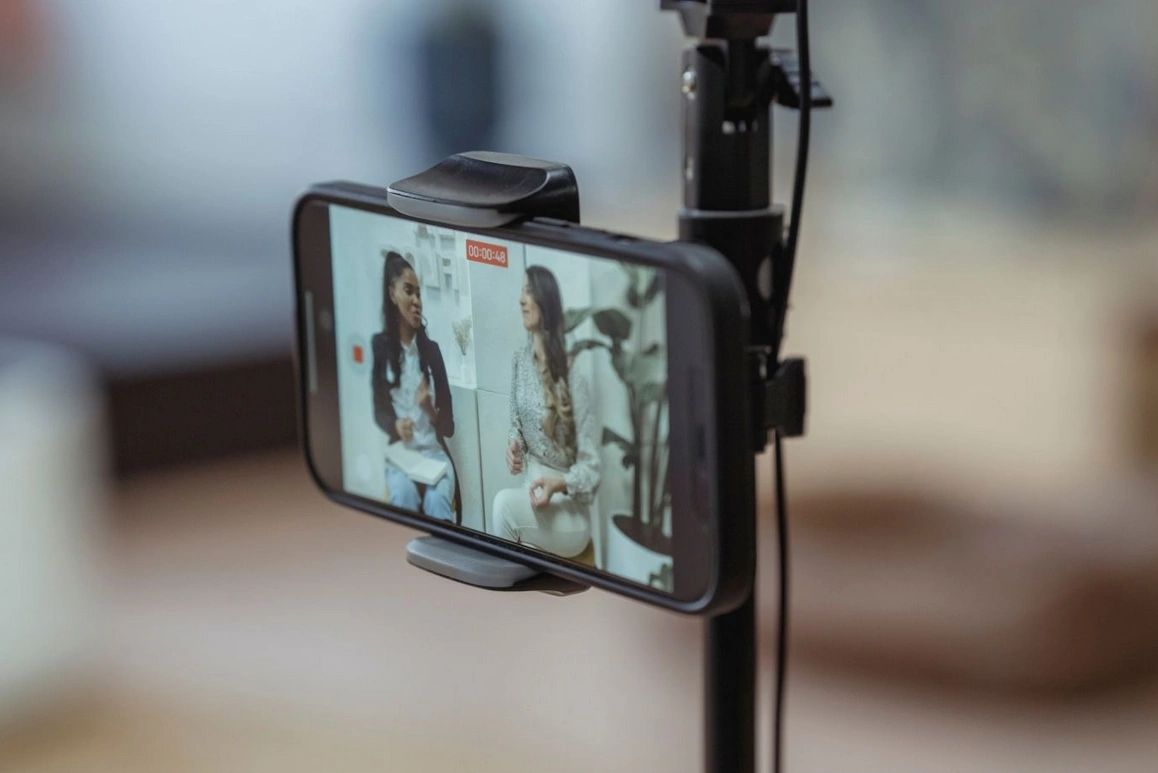
Yes, and it’s one of the easier ways to keep the clips coming. Sit one of your experts down for a 20 to 30 minute conversation and record it on video. That one session gives you a podcast episode, a YouTube upload and a stack of clips. Pick the 30 seconds a buyer would most want to rewatch, caption it, and point each clip back to the full episode.
Short clips work as trailers for something longer, and the longer piece is where interested buyers can go deeper. Webinars and case study walk-throughs can be clipped the same way, so a single recording can keep your LinkedIn feed going for weeks.
Your own page isn’t the only place for these clips. Post them in the LinkedIn groups and industry forums where your buyers already spend time, and add something useful to the conversation instead of dropping a bare link.
It also helps to team up with people your buyers already follow. A supplier, an industry association or a respected name in your trade can share your clips or appear in them, which puts you in front of an audience you haven’t built yet.
It can, but only when the video has its own page. Google’s video guidelines say you need a dedicated watch page for each video to be eligible for video results, meaning a page built around that one video. A blog post with a clip tucked in beside other content doesn’t count.
Each watch page needs its own title and description, plus a thumbnail at a stable URL. Google also supports VideoObject structured data and video sitemaps to describe the clip. A clip embedded in a blog post can still show up as a regular text result, and a YouTube clip can appear from YouTube’s own page, so it’s fine to post a clip in an article as well.
SEO Tip: Before you publish a watch page, check three things:
Once it’s live, Search Console’s Video indexing report shows which watch pages have an indexed video, and why others don’t.
Capture as much footage as you can while you’re there, and plan the trip beforehand. Brainstorm every clip you could film, then sort them: what suits the job site, and what needs the yard, the warehouse or the branch instead. Some behind-the-scenes shots just can’t happen on a work site.
Shoot both horizontal and vertical if you can. Horizontal footage feeds your longer YouTube videos, and the same shots can be cut into vertical clips for LinkedIn and Shorts, as long as you keep the subject near the middle of the frame so it survives either crop.
SEO Tip: Post the longer horizontal edit on YouTube with a keyword-led title, and add timestamps and labels to the description. Google says timestamps and labels in a YouTube description can set up key moments in search.
Caption each clip, post one a week on LinkedIn, and put the same edit on YouTube Shorts if you run a channel. Then track the numbers from the start: views, profile visits and enquiries that mention a clip. Every business gets its own results, and tracking is how you find out whether your time is going in the right direction. LinkedIn’s figures come from ads across industries, so treat them as a starting point rather than a promise.
SEO Tip: In Search Console, the Performance report has a Videos search appearance filter, so you can see how your video pages do in Google.
Maisona works with civil, construction and industrial businesses across Australia and New Zealand, including video production for civil and construction businesses: project case study videos, facility overviews and product demonstrations. If you’d like a plan before you pick up a camera, talk to our team about what a strategy-first approach looks like for your business.
It can, as long as the clip shows real work and says what it is. LinkedIn’s analysis of more than 13,000 B2B video ads tied 73% of video completions and 49% of engagement to creative decisions rather than budget.
Start with your equipment in action, with the model and key specs in a caption. After that, try a finished project walk-through, a team member answering a common customer question, a customer testimonial, behind-the-scenes of a product being made or installed, site prep and safety checks, and highlights from an event.
Start with LinkedIn and post the same vertical edit to YouTube Shorts if you run a channel. LinkedIn’s own data shows a 54% higher click-through rate for vertical videos. Shoot both horizontal and vertical where you can, keep the subject near the middle of the frame, and use the horizontal footage for longer YouTube videos.
Yes. LinkedIn found that 80% of its videos are watched with the sound off, so if someone’s explaining something on camera, caption it, including what the equipment or project is and where it is.
Only if the video has its own page. Google says video results need a dedicated watch page for each video, with its own title and description and a thumbnail at a stable URL. A video embedded in a blog post can still appear as a regular text result.
Yes. Record a 20 to 30 minute conversation with one of your experts on video, then clip the 30 seconds a buyer would most want to rewatch, caption it and point each clip back to the full episode.