
Every Click Is a Question Your Landing Page Has to Answer
By Gianna Stead | SEO Manager, Maisona | 5 min read
Search intent is the difference between a paid click and a paid enquiry, and it is where a lot of B2B campaigns come apart. Someone searching “CRM pricing” wants a number. Someone searching “best CRM for recruitment agencies” wants a comparison. They are using the same search box and expecting different pages, and if you send them both somewhere generic, at least one of them leaves.
For companies in civil, construction, and industrial sectors, a single qualified enquiry can carry serious project value, so a bounced click is not a rounding error. The useful thing is that this is a structural problem, not a budget one. It is fixable without spending more.
Why Intent Sits Underneath Everything in Paid Search
Every search is a signal about what the person wants next: an answer, a shortlist, a supplier, a price. The closer your landing page sits to that specific want, the less work the visitor must do to act.
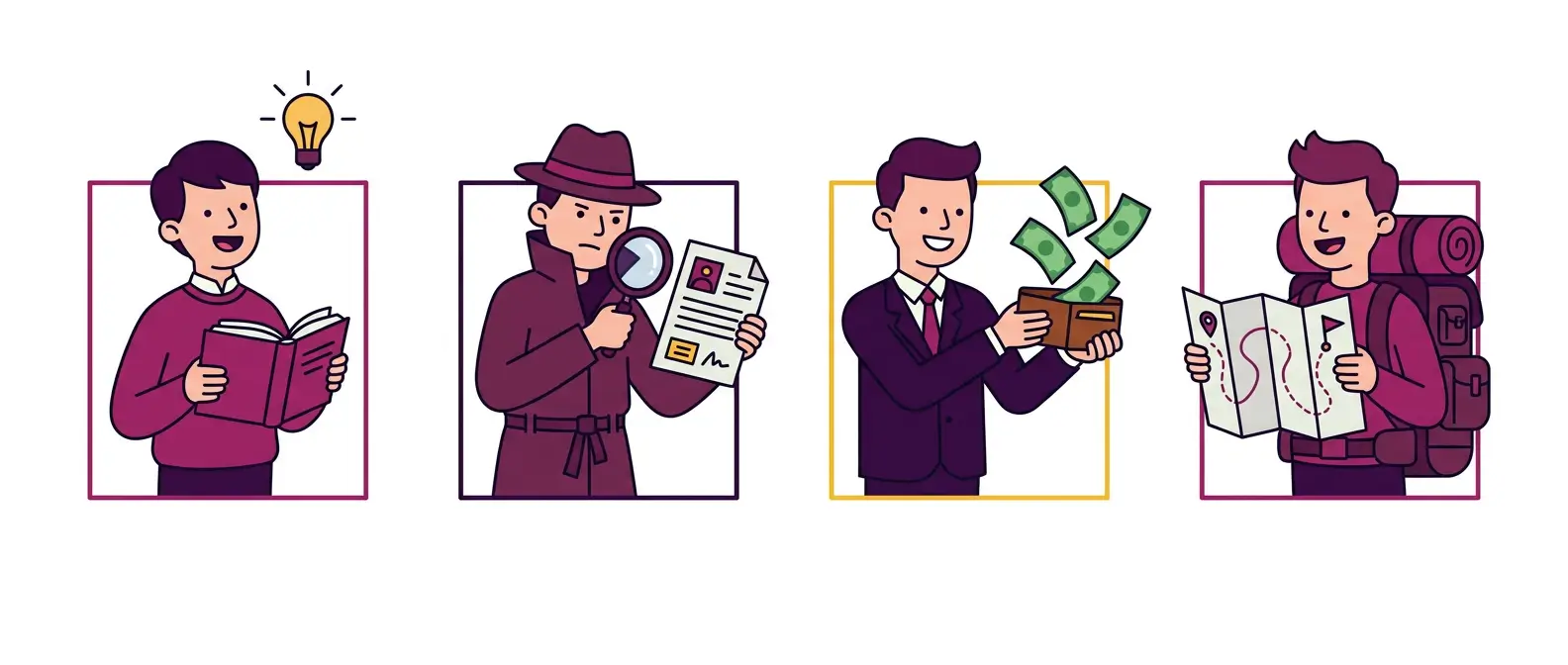
Queries tend to fall into a few intent stages, and each one wants a different page. Our guide to planning a marketing campaign that delivers ROI covers how ad, page, and follow-up line up. The short version at the page level looks like this:
- Informational: they want to learn. Guides and practical detail earn trust for later.
- Commercial investigation: they are comparing. Reviews, case studies, and answers to obvious objections do the work here.
- Transactional: they are ready. Pricing, a consultation, an enquiry form, easy to find.
- Navigational: they want a specific brand or page. Get out of the way.
The stage that gets neglected in B2B is commercial investigation. Plenty of businesses build a page that pushes for the sale. They forget that a large share of their buyers are still weighing options and are not ready to be closed. That is a big chunk of paid traffic arriving at a page built for someone else.
The Homepage Is Not a Landing Page
An ad makes a specific promise. The visitor clicks expecting that promise. Then the page opens with a company tagline and a hero image, and the visitor must hunt for the thing they were told they would find. Paid search has a name for this: message match, or the lack of it. When the match is poor, people bounce before they have read a full sentence.
Google is watching the same behaviour. Landing page experience is one of three components behind your Google Ads Quality Score, alongside ad relevance and expected click-through rate. A page that misses the intent behind the search pulls that score down, which lifts your cost per click and lowers your ad position.
Quality Score works as a diagnostic rather than a lever you pull directly. It tells you where the friction is; it does not reward you for chasing the number itself. A campaign that converts well on business metrics is doing its job regardless of an average score. What the score really tells you is that relevance is priced into the auction, and you feel it in what you pay.

The Numbers Behind Intent-Matched Pages
One analysis found of Google Ads data across non-branded keywords found the difference in hard numbers. Ads rated ‘above average’ for both landing page experience and ad relevance saw conversion rates around 750% higher. Cost per click ran roughly 36% lower than ads rated ‘below average’ on both. That figure comes from one practitioner’s accounts, and the exact multiplier will shift with your competition and match type.
The specific number matters less than what drives it. Two advertisers can put the same money into the same auction and walk away with very different amounts of pipeline. The gap sits mostly on the landing page, not in the bid. That is the part you control without lifting your spend.
Building Pages Around Intent, Not Convenience
None of this means a bespoke page per keyword. That approach falls apart once you are bidding on more than a handful of terms. Build a page for every keyword and you have fifty or a hundred pages, each one needing to stay current as pricing, service details, and offers change. Nobody has time to keep a hundred near-identical pages up to date, so most quietly go stale. Old pricing, dead links, claims that stopped being true a year ago. The pages meant to be the most relevant end up the least, because they have been left to rot. What holds up is keeping the flow from search to ad to page consistent across each intent theme, not per keyword.
Match the headline to the promise
The first line of the page should echo the promise in the ad. If the ad said “structural steel supply for Tier 1 projects,” the page should confirm exactly that, not lead with who the company is.
Design around one action
Competing calls to action stall people. Pick the one that fits the traffic’s intent, a quote request or a consultation booking, and let the page serve it.
Write for the stage, not the sale
Comparison traffic is not buying today. Give them the proof and the answers they came for, and the enquiry tends to follow on its own timeline, not yours.

One thing experience teaches you here: the most obviously “relevant” page is not always the top performer. A tightly targeted page can underperform a broader one when it loads slowly or runs thin on substance. That is why the strongest paid programmes treat these principles as a starting point, then let testing settle the rest.
Where to Start
If you run paid search and enquiries are not keeping pace with clicks, the fastest audit is to click your own ads. Walk the path a buyer walks: read the ad, land on the page, look for the promise, try to convert. The place where you hesitate is usually the place they leave.
Maisona works with B2B businesses in construction, industrial, and distribution sectors, and this ad-to-page gap is one of the more common things we find when paid campaigns underperform. If yours are generating activity but not pipeline, talk to our team about what a strategy-first approach to paid search would look like for your business.

Frequently Asked Questions
What is search intent in PPC?
Search intent is the goal behind a query: whether the person wants to learn, compare, or buy. In paid search, matching your landing page to that goal is what turns a click into an enquiry.
Why do my Google Ads get clicks but no conversions?
Usually, a mismatch between the ad and the page. If the ad promises something specific and the page is generic, people leave before converting. Aligning the page to the intent behind the ad is the common fix, though slow load times and weak forms can cause the same symptom.
Does landing page relevance affect Google Ads cost?
Yes. Landing page experience feeds Quality Score, and a weak score raises cost per click and lowers ad position. Quality Score works as a diagnostic rather than a direct control, so read it as a signal pointing you to the fix.
Do I need a separate landing page for every keyword?
No. You need pages that match each major intent theme, not every keyword. Start with one strong page per campaign and refine from there.
Which intent stage do most B2B businesses overlook?
Commercial investigation. Many pages are built to close a sale and neglect buyers who are still comparing, which is where a large share of B2B traffic sits before making contact.