
Your Brand Still Describes the Business You Were
By Gianna Stead | SEO Manager, Maisona | 5 min read
Owners ask when to rebrand after something specific goes wrong. Usually an invitation that never arrived, or someone at a conference introducing them as the business they ran in 2019.
In most of those cases the logo is fine and the claim is out of date. Those are separate repairs with separate price tags, and buying the wrong one is expensive.
When to Rebrand, and When You Just Need Repositioning
Repositioning changes who you sell to and what you claim about your capability. Rebranding changes the name and the marks.
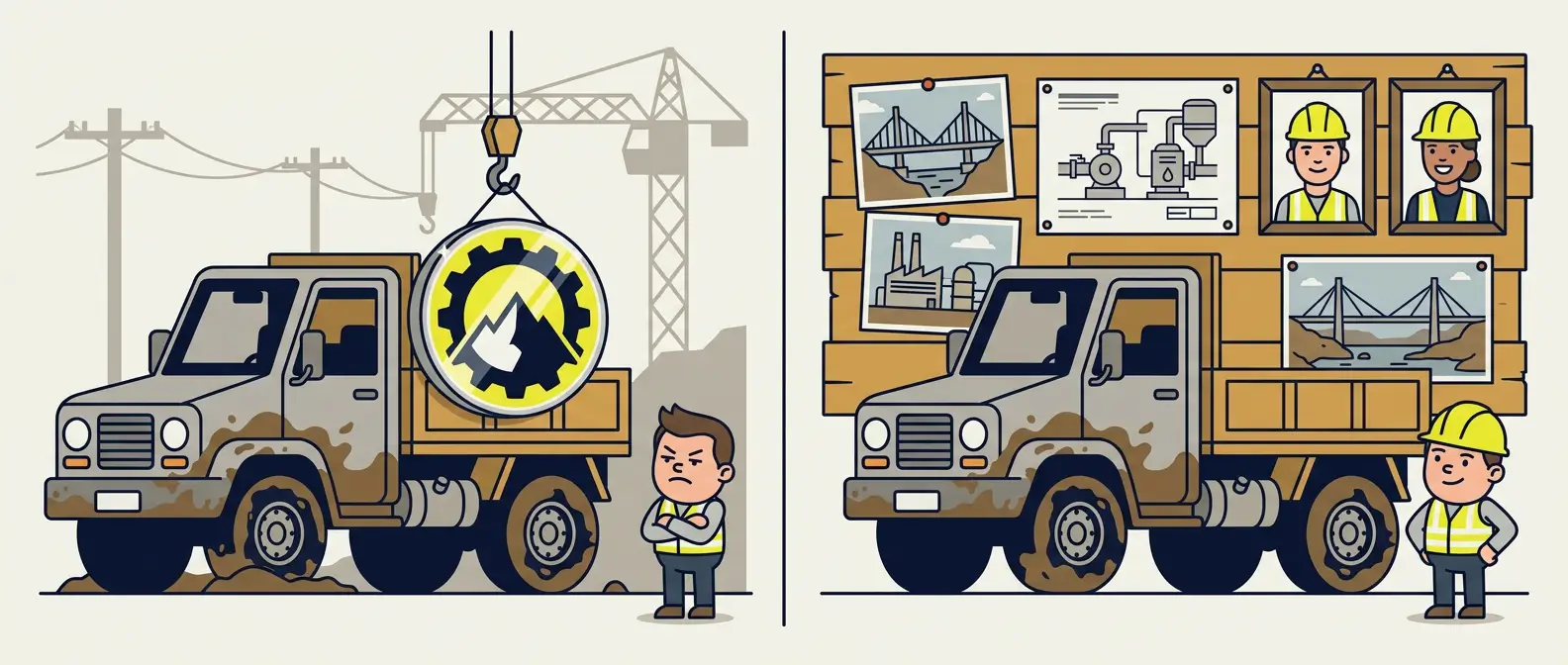
A civil contractor stops chasing residential subdivisions and goes after council water infrastructure instead. Same trucks, same signage on the depot. The website now leads with a pump station. Scope language matches what a council asks for, and the two engineers who run those jobs have proper profiles. That’s repositioning. It cost a photographer and a fortnight of writing.
The reverse happens more often. A business commissions a new logo and rebuilds the website. Six months later buyers describe it exactly as they did before.
I think that’s because a rebrand can be quoted. Repositioning turns up as an argument about who you are, usually with someone in the room who disagrees. Nobody can put a number on that.
Five Signs You've Outgrown Your Current Brand
You Lose Tenders in Categories You're Qualified to Hold
Pull your invitation count for the last twelve months and put it beside the categories you hold prequalification in. Contractors doing this for the first time usually find one category producing almost nothing.
Which category matters more than the size of the gap. Losing across the board points at price or capacity. One category failing while another wins is a different animal. Same crews, same safety record, and your evidence still reads clearly for one type of work and only by implication for the other. Our piece on winning government tenders before the RFT covers what an evaluator checks in the ten seconds after they search your name.
Read your own capability material in the order an evaluator would, without the context you carry in your head. It takes twenty minutes and it’s uncomfortable.
A Third of Your Revenue Never Appears in Public
Split last financial year by work type. Map each line to a page on the website.
Most industrial businesses find at least one revenue stream with no page, no photographs and nothing beyond a line on a services list. That work came through relationships, so nobody noticed the gap. It’ll keep arriving that way until the people holding those relationships retire.
Buyers who don’t already know you can’t find it. Neither can the AI systems putting together an answer when somebody asks who does that work locally.

Your Name Points at a Trade or a Postcode You've Moved Past
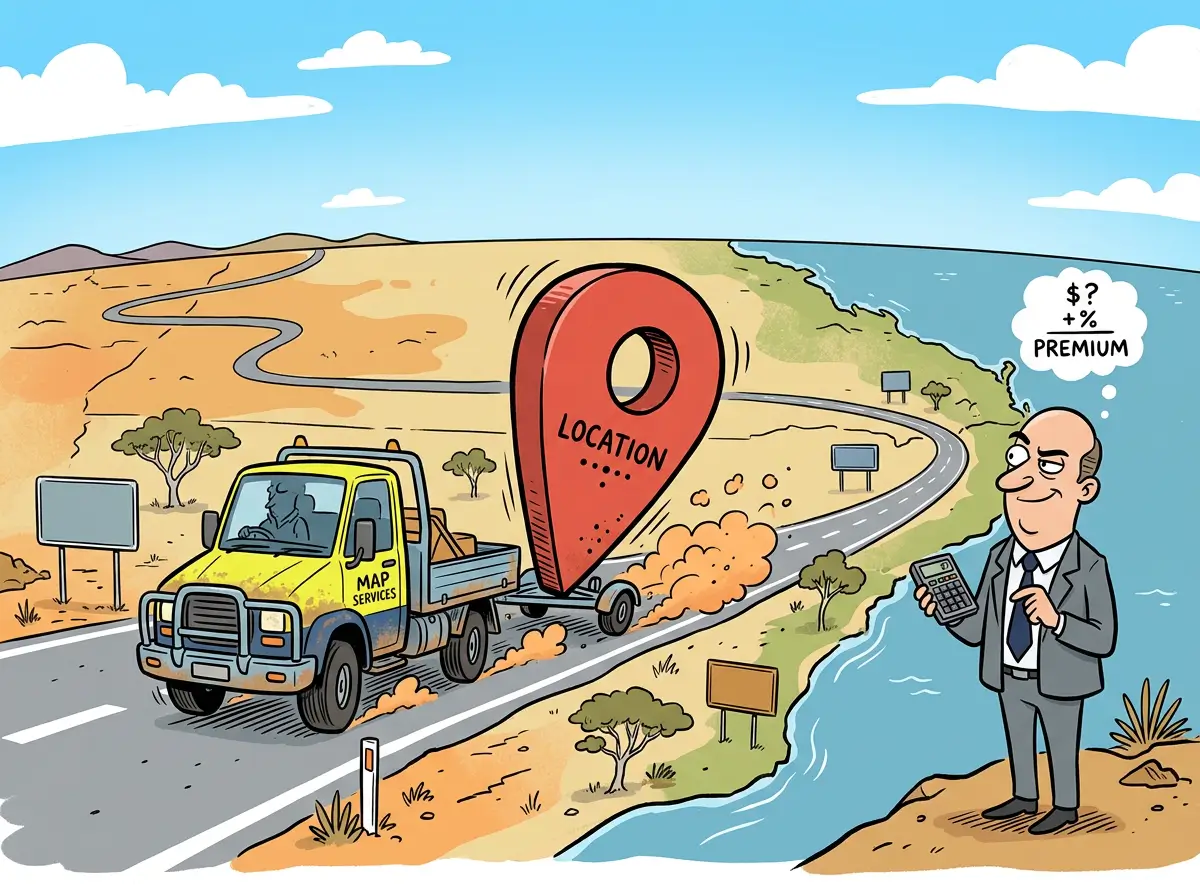
A service in the name holds up until you add a second service. Geography is worse. A suburb in the name travels with you across every border you cross, and a buyer in Newcastle reading a Penrith name will assume a travel premium whether or not one exists.
Before committing to a new name, check whether the legal entity has to change at all. Prequalification records, accreditation and ABN history attach to the entity. Register a business name and trade under it. Most of that history stays put.
Then search the trade marks register before anything goes to print. Registering a business name with ASIC won’t stop someone who holds that name as a trade mark from using it. Only a registered trade mark gives you exclusive rights to a name across Australia.
An Acquisition Left You Running Two Identities
You bought a business and kept its trading name, because the client relationships lived there. Two years on you’re paying for two websites, two Google Business Profiles and two versions of the same capability story.
Work out what the acquired name holds. Prequalification that won’t transfer with a change of entity is worth keeping. A client list that would need re-tendering is worth keeping. Loyalty to the previous owner is the most common reason these names survive and the least defensible.
Whichever way you go, merge the duplicate Google Business Profile. Two profiles for one operation split your local rankings between them.
The Buyers You Want Read You as a Subcontractor
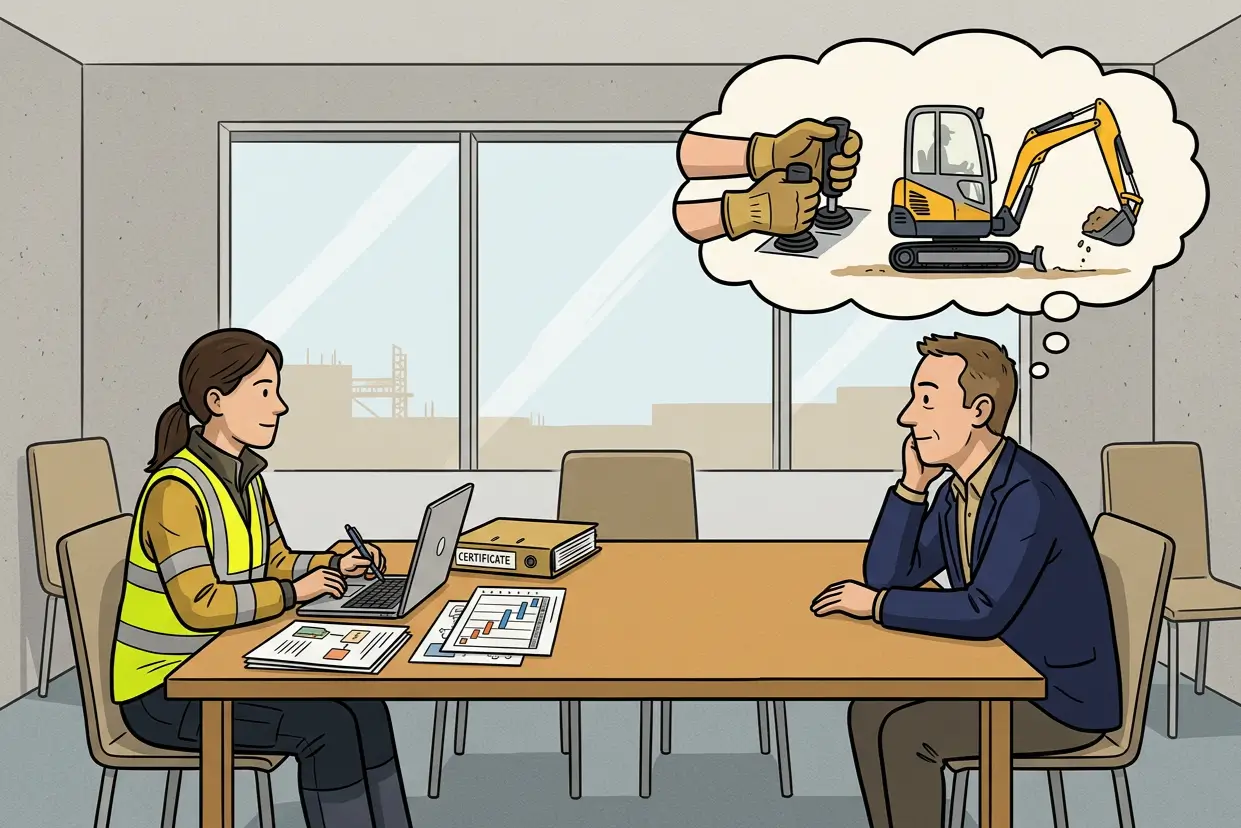
Your pricing tells you this one before your marketing does. A head contractor quoting you as labour and plant has already decided what you are.
Look at what the material proves. Every contractor in the country has photographs of crews and gear. Fewer publish their programme management, their insurance levels, or the name and project history of the person who runs the job.
Ask three recent clients how they’d describe you to someone else in the industry, then read your homepage again.
If you’re the one marketing person here with four other jobs today, a single habit covers most of this. Every time the business wins work in a new category, put a page up for it that month.
What a Name Change Really Costs
Designers quote the cheapest part of an industrial rebrand. Price the rest before you approve a concept:
- Signage across every site, depot and office
- Fleet and plant livery, which scales with vehicle count and not with the size of the change
- Reissued ISO 9001 and ISO 45001 certificates under the new name
- Prequalification scheme records and supplier panel registrations
- Certificates of currency reissued by your insurers
- Contracts, subcontracts and deeds naming the old entity
- Domain migration, redirects and the search history attached to the old address
There’s a clock on the paperwork too. The ATO, ASIC and the Australian Business Register require you to report changes within 28 days. A buyer checks your quote against that ABR record.

Which One You Need
Ask whether the name blocks the sentence.
The name might work perfectly well on the business you want to become. When buyers simply hold an old picture of you, you’re repositioning. New work leads the website, with new proof behind it, and the signage budget stays untouched. If you can’t say the true sentence about your business while that name is on the truck, the name moves.
Two things to check before you act on any of it. Brand equity in this sector often belongs to a person rather than a mark, so find out who your clients ring before assuming the logo carries the relationship. And run the five checks against your own revenue and invitation figures, because a business winning steadily through three long council relationships has a different problem to one trying to get onto a panel.
If your capability has grown while your invitation volume has flattened, Maisona can work out whether the gap is in your positioning or in the name itself. Talk to our team about your positioning.
FAQs
What is the difference between rebranding and repositioning?
Repositioning changes who you sell to and what you claim about your capability. Rebranding changes the name, the marks and the visual system that carry the claim. You can do either one without the other.
Do I need a trade mark if I change my business name?
Registering a business name with ASIC does not give you exclusive rights to it, and it will not stop a trade mark holder from using that name. Only a registered trade mark gives you exclusive rights across Australia.
Will changing our name affect our prequalification?
It depends on whether the legal entity changes. Prequalification records, accreditation and ABN history attach to the entity, so trading under a new registered business name usually leaves that history intact.
What does a rebrand cost an industrial business?
The design work is the smallest line. Signage, fleet and plant livery, reissued ISO certificates, scheme records, insurance certificates and domain migration carry the real cost.
How do I know if our brand is holding the business back?
Compare invitation volume against the prequalification categories you hold, then map last year’s revenue by work type to pages on your website. Gaps in either check point to a positioning problem.