
Why Your Digital Marketing Strategy Needs More Than Just SEO and Ads
By Gianna Stead | SEO Manager, Maisona | 4 min read
SEO and Google Ads reach people who are already searching. In civil, industrial and manufacturing markets, that is a thin slice of the buyers who will award work over the next two years. Build a digital marketing strategy entirely on those two channels and it can look healthy on every dashboard while most of your future pipeline goes untouched. The project manager who tenders in late 2027 is not typing anything into Google this month.
A company with strong word of mouth and a thin search presence has a different gap to a company dominating search in a shrinking category. Treat any ratio you read as a starting point to test against your own data.
Search Channels Harvest Demand That Already Exists
SEO and paid search are demand capture. Someone recognises a need, searches for a supplier, and you need to be there and be convincing when they do. Both channels do this well, and the leads are attributable and quick to read, which is why they take the biggest share of most B2B budgets.
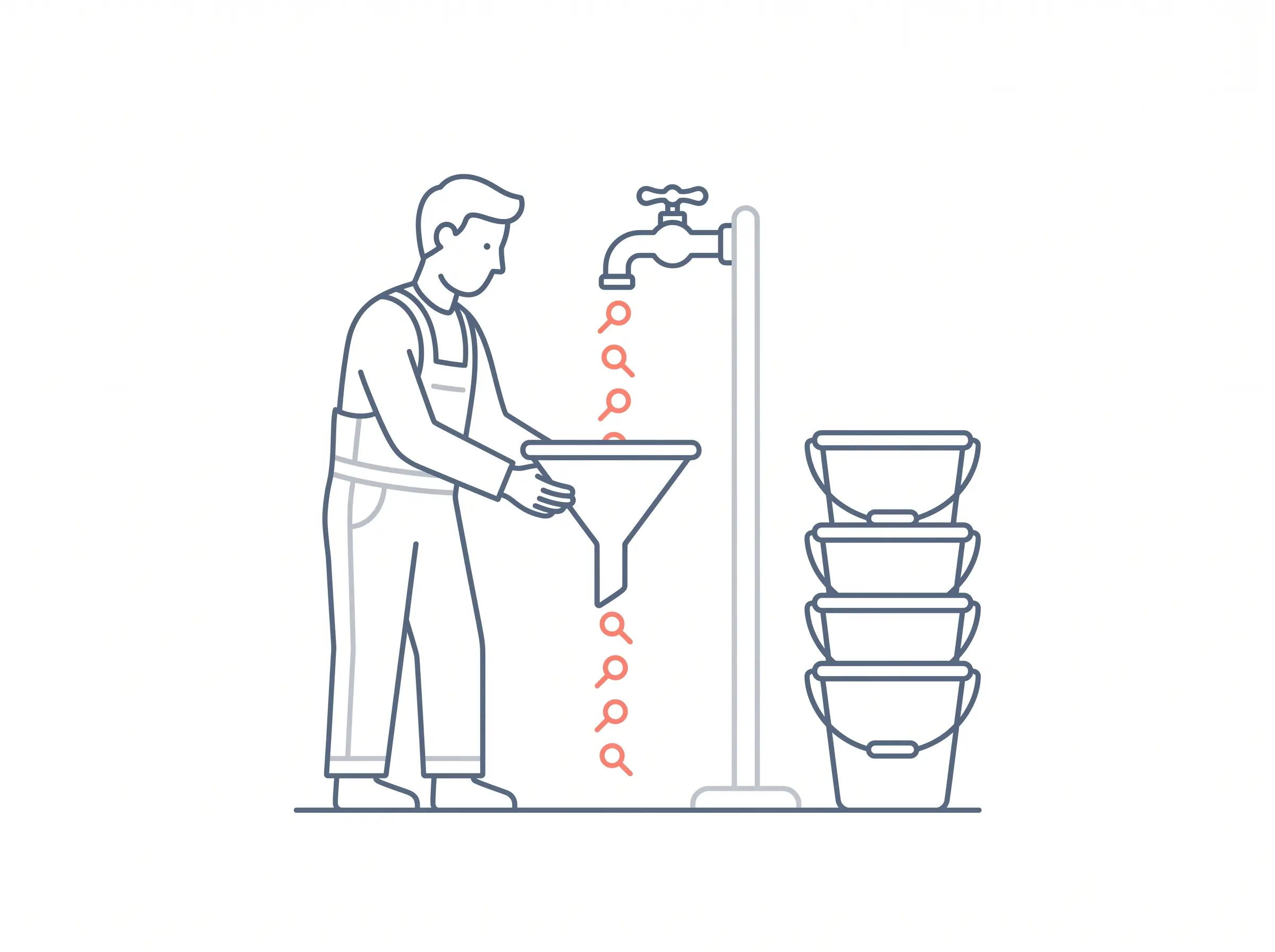
The ceiling on capture is search volume, not budget. Only so many people search “formwork supplier Sydney” or “industrial coatings Brisbane” each month. Once you rank on page one and win the auctions that matter, extra spend buys diminishing returns. You compete harder for the same finite pool while the rest of your market never sees you.
Signs Your Digital Marketing Strategy Stops at Capture
Most capture-only strategies were never designed that way. They accumulated, one sensible decision at a time. The pattern is easy to recognise:
- Every marketing dollar maps to a keyword or an ad auction
- Lead volume rises and falls almost exactly with ad spend
- Nothing in the plan reaches buyers who are not currently searching
- Your visibility looks identical to every competitor bidding on the same terms
If three of those four describe your setup, your marketing is running on buyers who already know they need someone. That works until the pool thins.
Where 95% of Your Buyers Are Right Now
Capture channels deserve a healthy share of spend. How to split marketing budget across channels is its own exercise, worth doing properly. The bigger question is who these channels can’t reach, no matter the budget.
Research by the Ehrenberg-Bass Institute for the LinkedIn B2B Institute found that companies change providers of major services roughly every five years. That puts about 20% of your market in a buying cycle in any given year, and around 5% in any given quarter. The other 95% are not in the market at all. They are mid-contract, mid-project, or simply not thinking about the problem you solve.
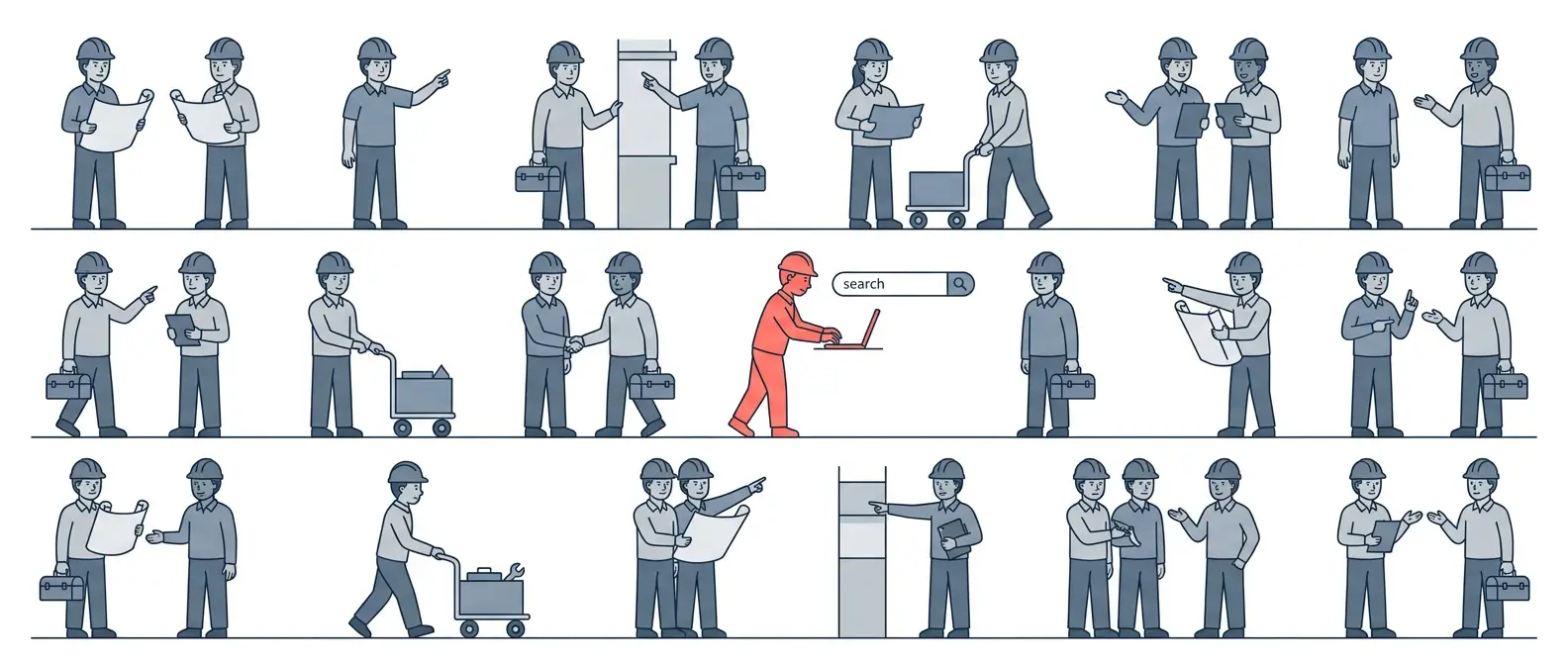
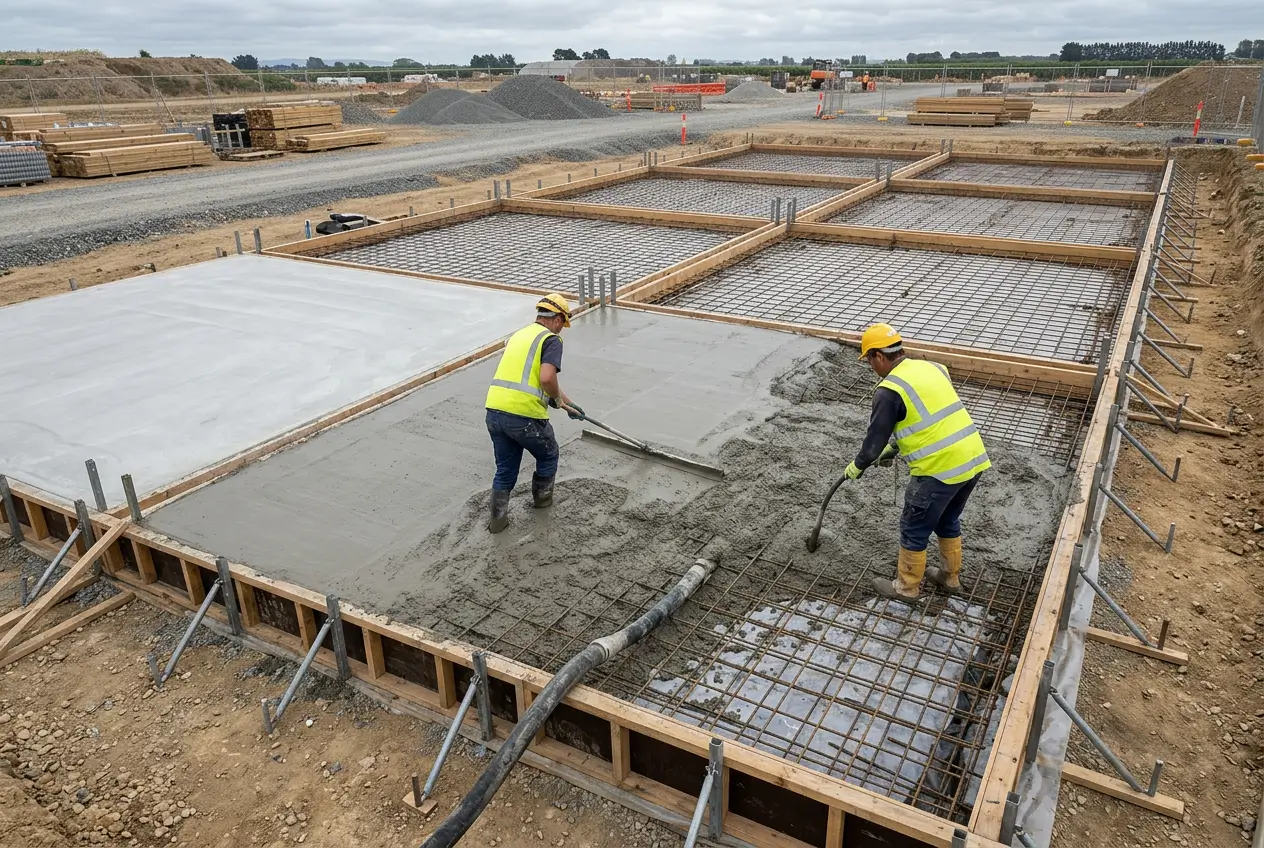
In construction and industrial sectors the effect runs stronger. Panel arrangements, framework agreements and multi-year project cycles hold buyers in place for long stretches. The estimator who will pick suppliers for a 2028 infrastructure package is not searching today. No bid strategy or meta description will change that.
The Ehrenberg-Bass research points to why this happens. Advertising mostly builds and refreshes the memory of a brand, so buyers entering the market shortlist names they already recognise. Few procurement teams sign with a firm they’ve barely heard of.
Building the Shortlist Before the Search
Reaching that 95% takes channels that build familiarity while nobody’s buying. They should work with your capture channels, not against them, which is what our article on omnichannel marketing gets into.
Gartner’s research on the B2B buying journey shows why this work has to happen early. 75% of B2B buyers now prefer a rep-free experience. Most run their evaluation across websites, social and search before a supplier has any idea the project is live. By the time your sales team hears about it, the shortlist is usually set.
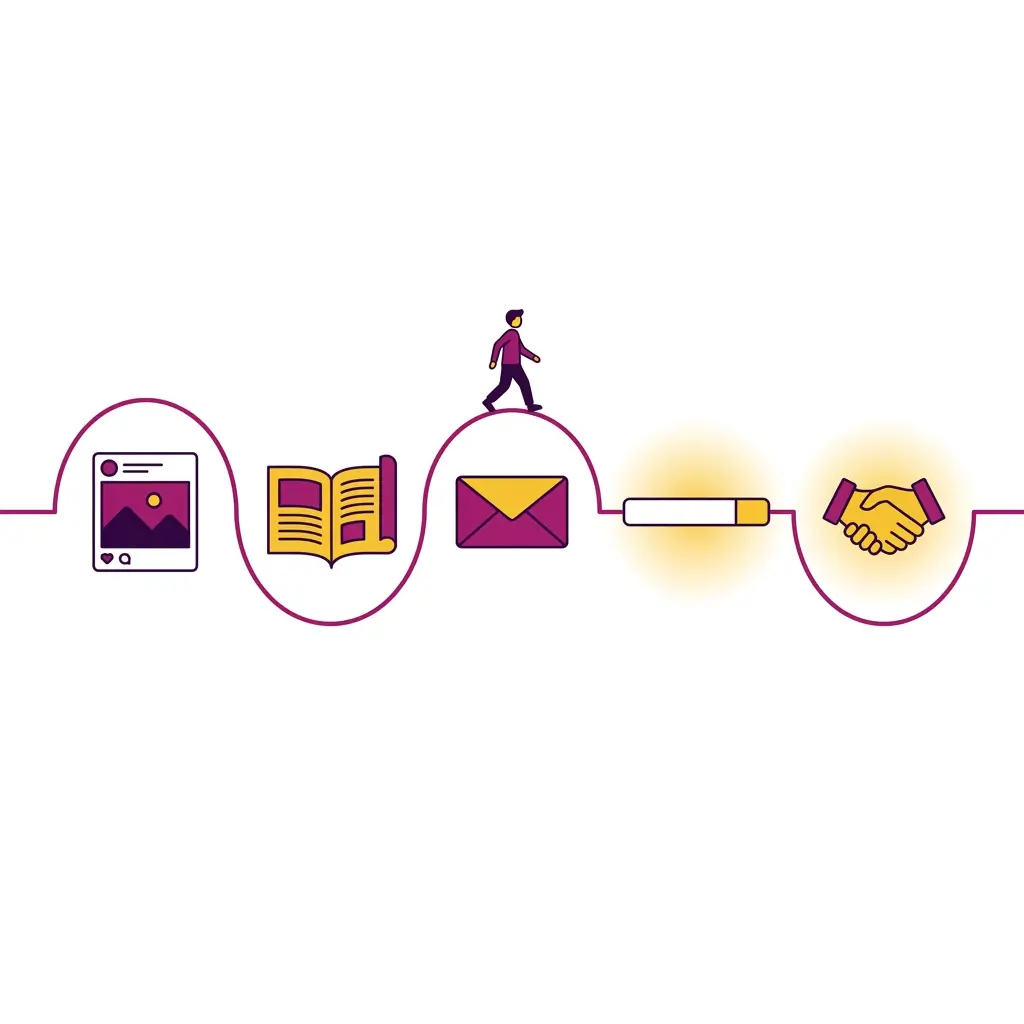
Demand creation means reaching buyers before a live requirement exists. For a mid-sized civil or industrial business, it rarely looks like television or sponsorships. More often it is a consistent LinkedIn presence aimed at the engineers and procurement managers who will buy in two years. Add case studies written for the sectors you want more of, and email that keeps past enquiries and dormant clients warm between projects. These sit squarely within standard email, content and social media programmes. The shift is in who they target and when.
The audience is people with no immediate intent, and the KPI is being remembered, not clicked. In practice the line between the two blurs. A single case study can close a searcher this week and sit in an estimator’s memory until they tender in 2028. You won’t be able to attribute which it did, and that’s the normal state of this work, not a measurement failure to solve.
Sequence the Build, Don't Scatter the Budget
Adding demand creation isn’t a licence to be everywhere. Spread budget across six channels before one of them works and you’ll talk yourself into believing brand marketing doesn’t. Get capture efficient first, since it’s what converts the demand the brand work creates later. Then add one demand-creation channel at a time, resourced properly enough to actually move branded search and direct traffic, which takes quarters, not weeks.
How you split spend between the two depends on the business. Strong word of mouth with a thin search presence is a different problem from dominating search in a category that’s shrinking. Any ratio you read is a starting point, not a target.
If your current marketing generates activity but the pipeline still depends on whoever happens to be searching this week, we can review what you have and map where demand creation fits. Maisona works with growth-focused construction, industrial and B2B businesses across Australia and New Zealand. Talk to our team about what a strategy that captures today’s demand and builds tomorrow’s looks like for your business.
Frequently Asked Questions
Should we cut SEO or Google Ads to fund brand marketing?
No. Capture channels convert the demand that brand activity creates, so weakening them undermines the whole system. Fund demand creation from growth budget or from the diminishing-returns portion of paid spend, once your search channels are running efficiently.
What is the 95-5 rule in B2B marketing?
The 95-5 rule, based on Ehrenberg-Bass Institute research for the LinkedIn B2B Institute, holds that only around 5% of B2B buyers are in the market for a given product or service in any quarter. The remaining 95% will buy eventually, but marketing aimed only at active searchers never reaches them.
Which channels create demand for construction and industrial companies?
LinkedIn content aimed at engineers, estimators and procurement managers, sector-specific case studies, email programmes that stay in touch between projects, and a recognisable brand carried consistently across every touchpoint. The common thread is reaching buyers before they have a live requirement.
How long does demand creation take to show results?
Expect quarters, not weeks. Early signals include growth in branded search volume, direct traffic and LinkedIn engagement from target accounts. Pipeline impact typically follows as buyers who met the brand earlier enter their next buying cycle.